
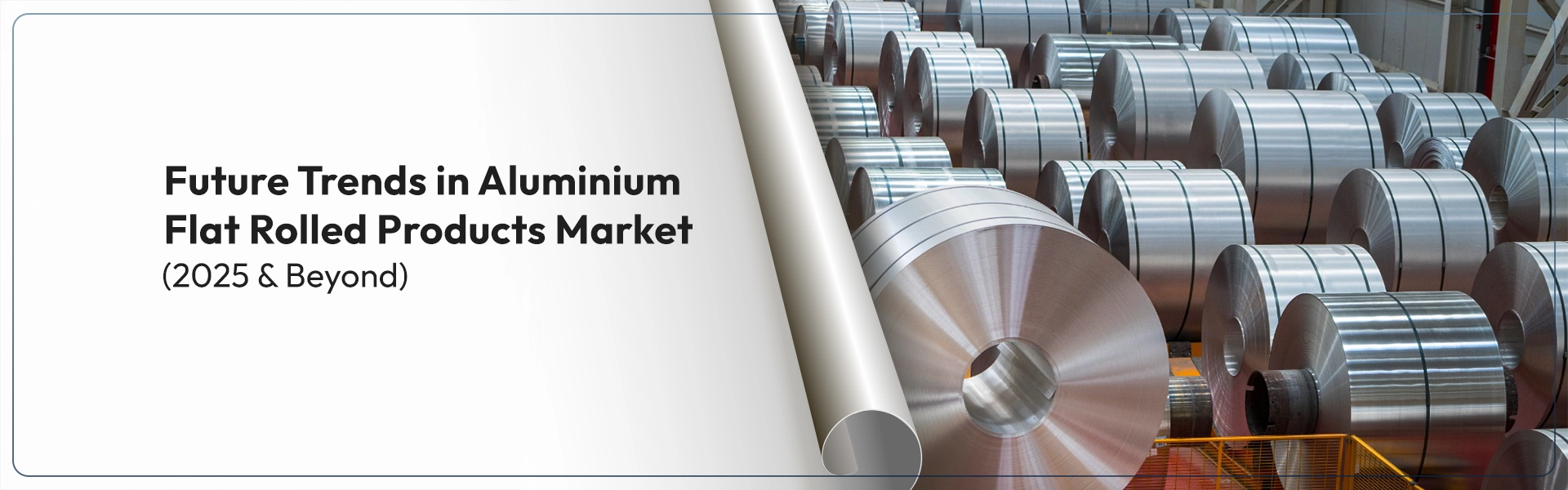
Aluminium flat rolled products (FRP) — sheets, coils, foils and laminates — are everywhere. They are used in cars, cans, buildings, electrical lines and more. As we move through 2025 and beyond, several big trends are shaping this market. This blog explains those trends in simple words so you can understand what to expect and why it matters.
1. Strong demand from green industries (EVs, renewables, packaging)
Electric vehicles (EVs) need lighter parts and sturdy enclosures for batteries — and aluminium fits both needs. Renewable energy (solar frames, wind towers-related parts) and recyclable packaging also use more flat rolled aluminium. Together these “green” sectors are a major pull on demand and will keep pushing the market forward.
2. Prices and supply will stay sensitive to geopolitics and energy
Aluminium prices have tightened recently because of lower inventories, energy-related smelter closures, and trade measures. That means prices can jump quickly if supply is squeezed or if trade rules change. Producers, buyers and supply chains must plan for tighter markets and occasional price spikes.
3. Recycling and scrap flows become strategic — not just optional
Recycled aluminium uses far less energy than making new metal, so recycling is both cheaper and greener. Governments and industry groups are paying more attention to scrap flows and recycling capacity. For example, policymakers in regions like the EU are reviewing rules on scrap exports and incentives for domestic recycling — moves that will change where and how scrap is processed. Companies that invest in good scrap collection and local recycling will gain advantage.
4. Market growth but with regional shifts
Most market studies show steady growth for flat rolled aluminium through the late 2020s and into the 2030s. Exact numbers differ by report, but consensus is that demand and value will increase — led by Asia, North America (because of reshoring and clean-energy policies) and parts of Europe. Producers that align capacity with these regional demand hotspots will do better.
5. Value-added and downstream integration will matter
Basic coils and sheets are becoming commoditized. To keep margins, mills are moving into value-added products: pre-painted sheets, high-strength alloys, coated foils and engineered parts for battery trays or structural components. Downstream capabilities (cut-to-size, slitting, surface treatments) help suppliers lock in buyers and reduce exposure to raw-material price swings.
6. Technology: digital, process and low-carbon production
Producers are adopting better process controls, sensors and digital tools to reduce waste and improve quality. Equally important is decarbonization: low-carbon smelting routes (hydro or renewable-powered facilities), inert anode trials and greater use of recycled aluminium will become selling points — not just compliance items. Companies that show lower carbon footprints will find more customers and faster approvals for big projects.
7. Shorter, more local supply chains (nearshoring)
Policies and incentives (like clean-energy support and industrial reshoring) are encouraging production closer to end markets. Shorter supply chains reduce shipping risk and lead times — a clear advantage for sectors like automotive and construction that need reliable, timely parts. Expect more investments in regional rolling mills and finishing lines.
8. Product innovation for packaging and lightweighting
Packaging makers continue to demand thinner, stronger and more recyclable foils and laminates. At the same time, automakers want alloys that keep strength while lowering weight. This will push R&D into new alloys, multi-layer laminates and coating systems that balance performance with recyclability.
9. Risk factors to watch
- Energy costs and availability: aluminium smelting is energy intensive. High power costs or supply interruptions can limit output.
- Trade policies and tariffs: sudden tariffs or export controls can reshape flows and prices.
- Scrap availability and rules: limits on scrap exports or weak domestic processing can create bottlenecks.
10. What companies should do now
- Invest in recycling and traceable scrap supply.
- Add downstream services and value-added products.
- Track policy shifts and regional incentives (they affect where to place capacity).
- Adopt digital process controls to raise quality and lower waste.
- Publish and reduce product carbon footprints — customers and regulators will ask for this.
Short summary
From 2025 onward, the aluminium flat rolled products market will grow, but the shape of that growth will depend on energy, recycling rules, green demand (EVs, renewables, packaging) and regional investment choices. Companies that focus on recycling, low-carbon production and higher-value products are best placed to succeed.